
Top-Rated Products For Storm Damage Restoration You Can Count On
Explore high-performance tools and supplies designed to handle storm damage cleanup and restoration effectively.
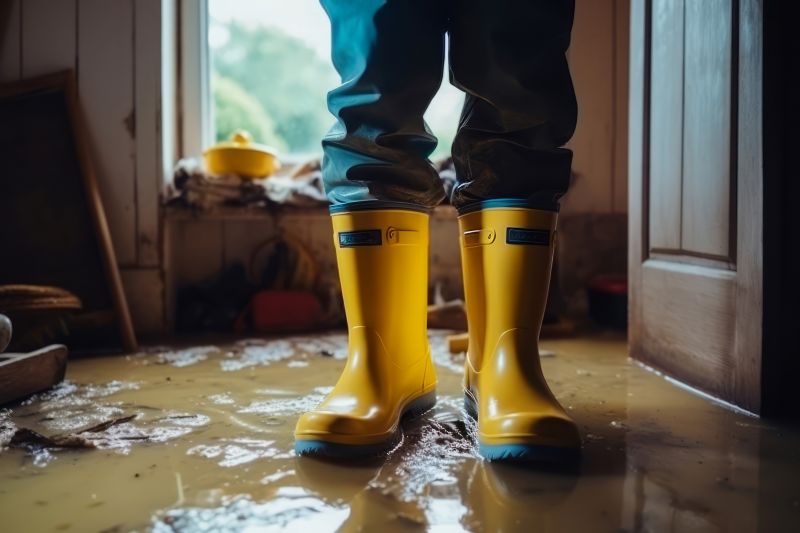 Storm restoration products are essential tools and materials used to repair and reinforce structures affected by severe weather events such as hurricanes, heavy rains, and strong winds. In Owings Mills, MD, where weather patterns can vary significantly, having access to reliable storm restoration supplies can help property owners and contractors respond quickly and effectively. These products range from durable roofing materials to water barriers and structural reinforcements, all designed to withstand the challenging conditions posed by storms.
Top Overall Option
Heavy-Duty Weatherproofing Sealant
A versatile and durable sealant designed to provide a reliable barrier against water intrusion and air leaks, making it suitable for sealing roofs, windows, and siding after storm damage. Its high-performance formulation adheres well to various surfaces and remains flexible in changing weather conditions, helping to prevent further deterioration. This product is favored for its ease of application and long-lasting protection, making it a practical choice for both professional restorers and property owners.
Types of Products For Storm Restorations
Roofing Shingles
Various types of shingles designed to replace damaged roofing materials and provide weather resistance.
Waterproof Membranes
Protective layers used under roofing or flooring to prevent water infiltration during storms.
Structural Reinforcements
Steel or composite supports used to strengthen weakened frameworks after storm impact.
Flood Barriers
Portable and permanent barriers designed to divert or contain floodwaters around properties.
Siding Panels
Durable siding options to replace or reinforce exterior walls damaged by storms.
Gutter Guards
Devices to prevent debris buildup in gutters, ensuring proper drainage during heavy rains.
Water Removal Equipment
Industrial-grade pumps and extraction tools for removing floodwaters efficiently.
Tarps and Coverings
Heavy-duty tarps used to temporarily cover damaged areas and prevent further weather exposure.
Insulation Materials
Weather-resistant insulation to restore thermal barriers affected by moisture or damage.
Fasteners and Anchors
Specialized hardware for securing repairs and reinforcing structures against wind and storm forces.
Fire Retardant Sprays
Treatments applied to materials to reduce fire risk after storm-related damage.
Dehumidifiers
Equipment to reduce moisture levels inside buildings affected by flooding or humidity.
Emergency Lighting
Portable lighting solutions for safe work environments during power outages.
Safety Gear
Protective clothing, gloves, and masks for workers handling storm restoration tasks.
Sealants and Adhesives
High-strength products for sealing cracks and bonding materials during repairs.
Popular Choices
Widely used for sealing and protecting surfaces from water and air leaks after storms.
Commonly employed for temporary protection of damaged areas during storm recovery.
Popular for removing excess water from flooded spaces efficiently.
Frequently selected for repairing or replacing storm-damaged roofing materials.
Effective in preventing debris buildup and ensuring proper drainage during storms.
Popular for reinforcing compromised frameworks after storm impact.
Used to protect building exteriors from moisture intrusion during storm events.
Commonly used to dry out interiors affected by flooding or high humidity.
Applied to reduce fire hazards in storm-damaged structures.
Frequently chosen for ensuring visibility during power outages in storm recovery.
Popular for sealing gaps and cracks in structures after storm damage.
Effective for removing water from carpets and floors after flooding.
When selecting storm restoration products, it is important to consider the specific needs of the property, including the type of damage likely to occur and the materials best suited for the local climate. High-quality, resilient products can help mitigate further damage and support long-term structural integrity. Whether dealing with roof damage, flooding, or wind-related issues, a comprehensive approach utilizing a variety of specialized products can ensure a thorough restoration process.
In addition to the physical products, safety equipment and tools are vital for workers involved in storm recovery efforts. Proper installation and maintenance are crucial for maximizing the effectiveness of restoration measures. Local contractors and property owners in Owings Mills often seek products that combine ease of use with proven durability, ensuring that repairs can be completed efficiently and reliably. Investing in the right storm restoration products can make a significant difference in the success of recovery efforts after severe weather events.
Key Buying Considerations
- Assess the specific type of storm damage to determine suitable products.
- Consider the durability and weather resistance of materials used for repairs.
- Ensure compatibility of products with existing building materials.
- Evaluate the ease of application and installation for faster recovery.
- Check for product certifications related to safety and performance standards.
- Select products that provide effective water and air sealing to prevent future issues.
- Prioritize items with proven resistance to local weather conditions in Maryland.
- Consider the size and coverage area of materials like sealants and membranes.
- Review manufacturer instructions for proper use and safety precautions.
- Balance cost with quality to ensure long-term effectiveness of repairs.
- Determine if additional safety equipment or tools are needed for installation.
- Look for products that can be stored and used in emergency situations.
- Evaluate the availability of replacement parts or accessories.
- Consider environmental conditions such as humidity and temperature during application.
- Consult local contractors or suppliers for recommendations tailored to Owings Mills.