
Storm Restoration Services
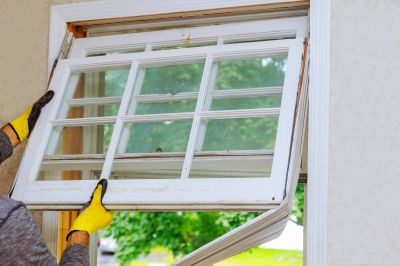
Preparing structures before storm seasons can minimize damage and expedite restoration efforts.
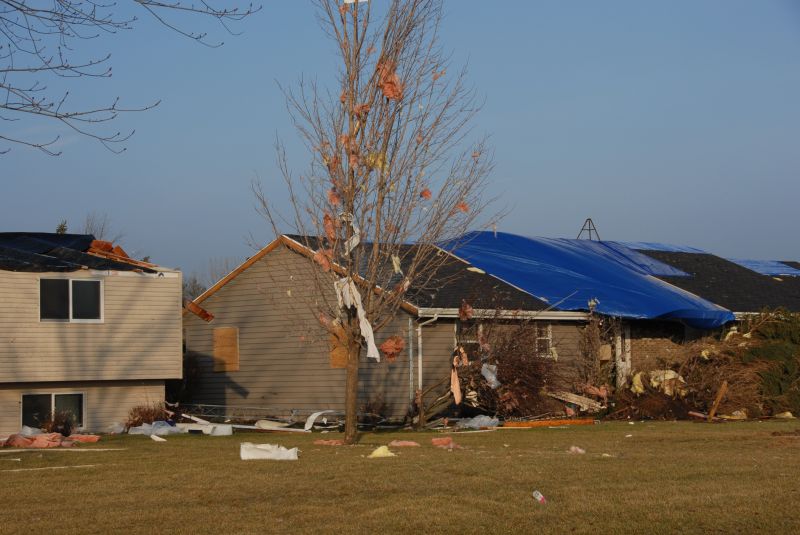
Assessing damage immediately after storms helps determine the scope of restoration needed.

Performing repairs during calmer months can improve readiness for future storms.
Ways to make Storm Restorations work in tight or awkward layouts.
Popular materials for Storm Restorations and why they hold up over time.
Simple add-ons that improve Storm Restorations without blowing the budget.

High-end options that actually feel worth it for Storm Restorations.
Finishes and colors that play nicely with Storm Restorations.
Storm restorations involve repairing and restoring properties damaged by severe weather events such as hurricanes, tornadoes, and heavy storms. These processes are crucial for maintaining structural integrity, safety, and property value. Timely restoration can prevent further damage, reduce repair costs, and ensure safety for occupants.
Statistics indicate that storm-related damages increase significantly during peak storm seasons, which typically occur in late summer and early fall. Planning restorations outside of these peak times can lead to faster service, lower costs, and more efficient resource allocation. Proper timing also allows for better scheduling and availability of restoration professionals.
Restorations are often most effective when scheduled during mild weather months, reducing delays caused by adverse conditions.
Extreme weather can hinder restoration efforts; planning around forecasted storms helps ensure timely completion.
Immediate assessment after storms ensures critical repairs are prioritized before further deterioration.
Proactive repairs before storm seasons can mitigate damage and streamline restoration processes.
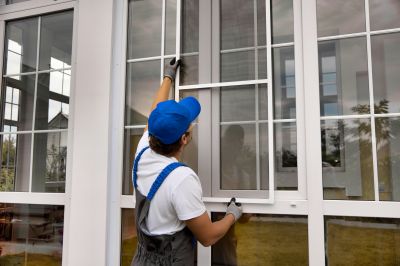
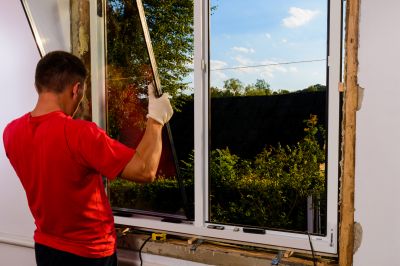
Restoring roofs, siding, and windows after storm impacts.
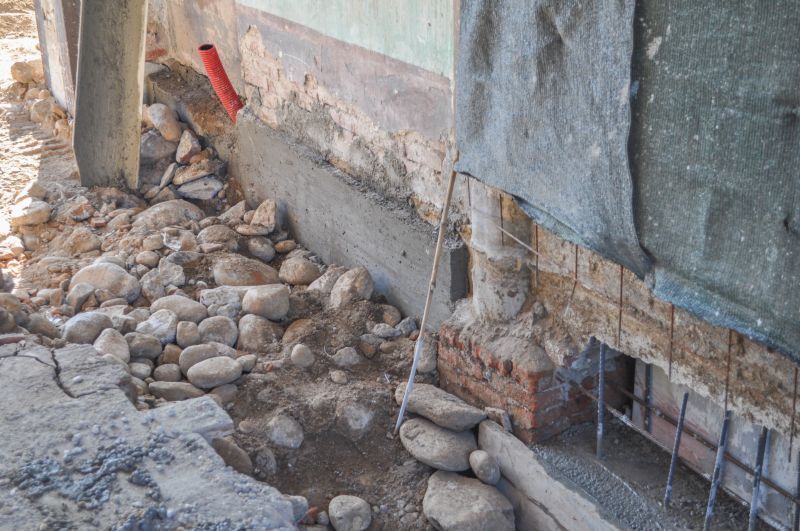
Strengthening foundations and frameworks to withstand future storms.
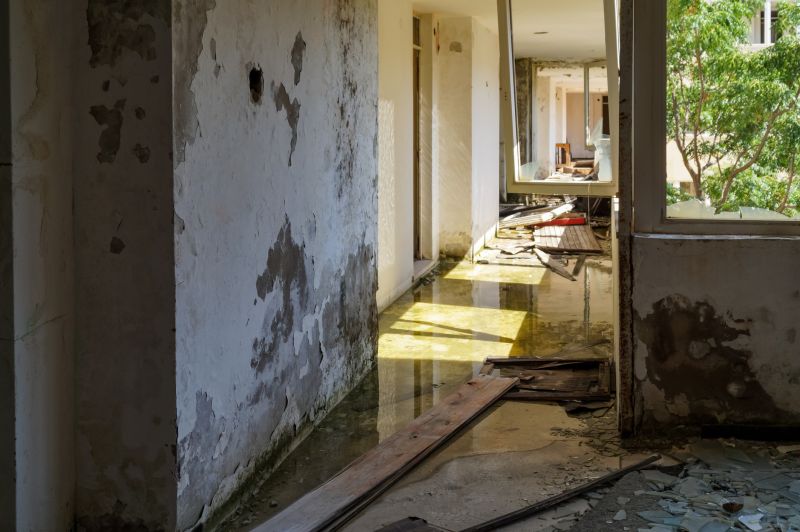
Addressing flooding and leaks caused by storm events.
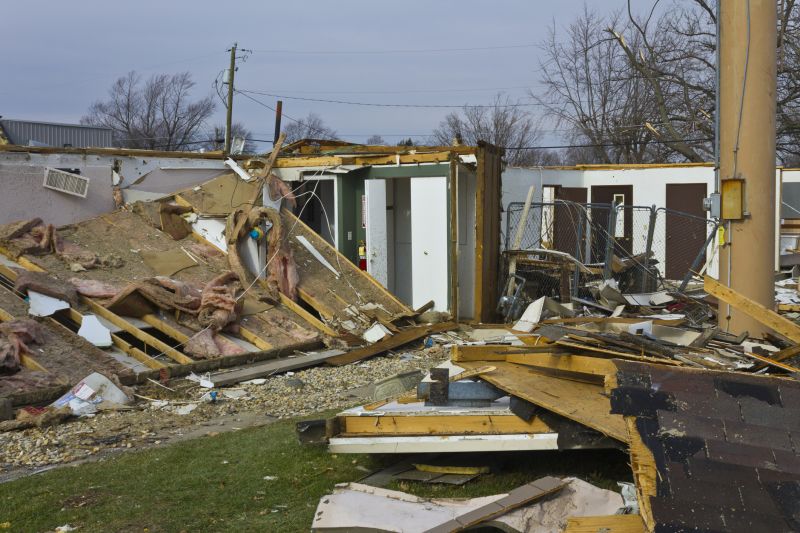
Installing new roofs to improve resilience against storms.
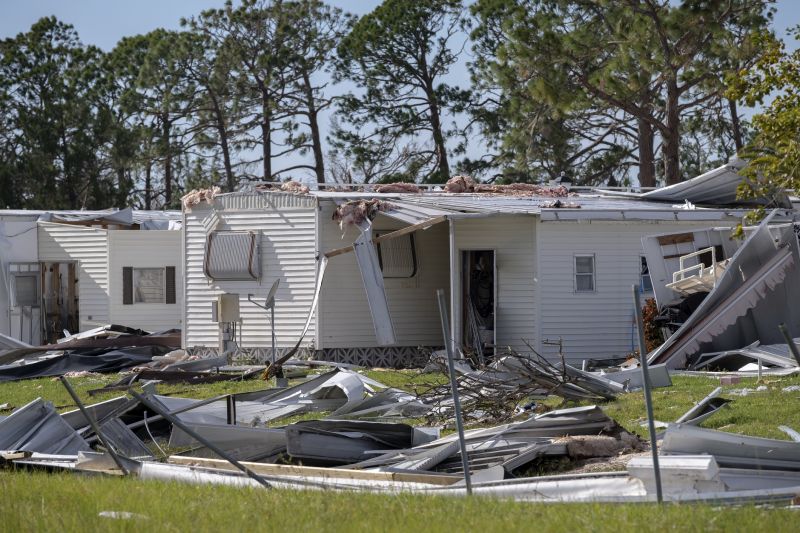
Restoring or replacing damaged exterior siding.
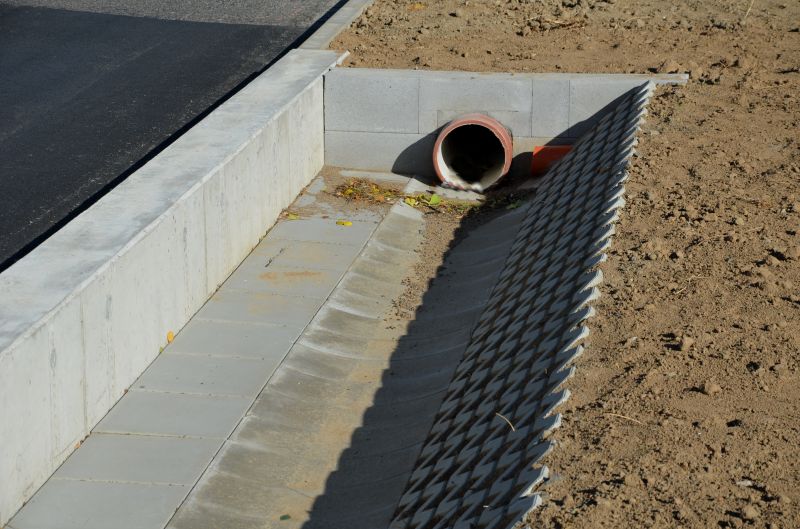
Ensuring proper water runoff to prevent damage.
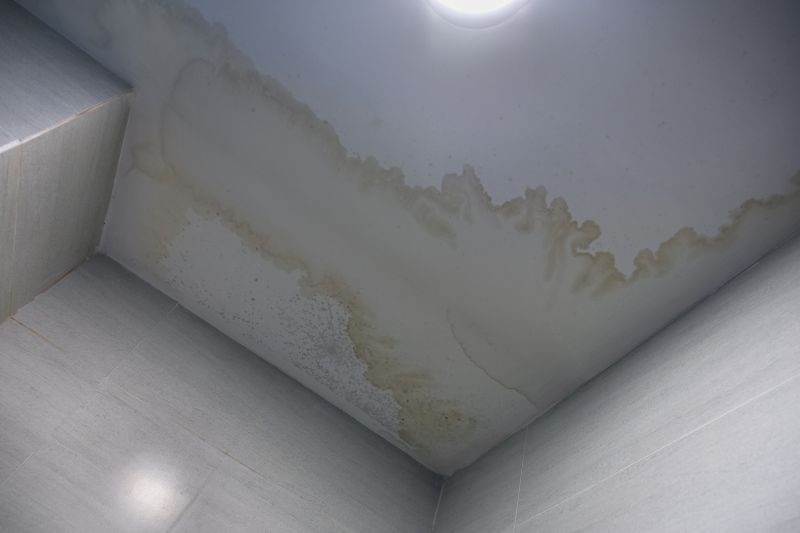
Repairing interior walls and ceilings affected by storm water.
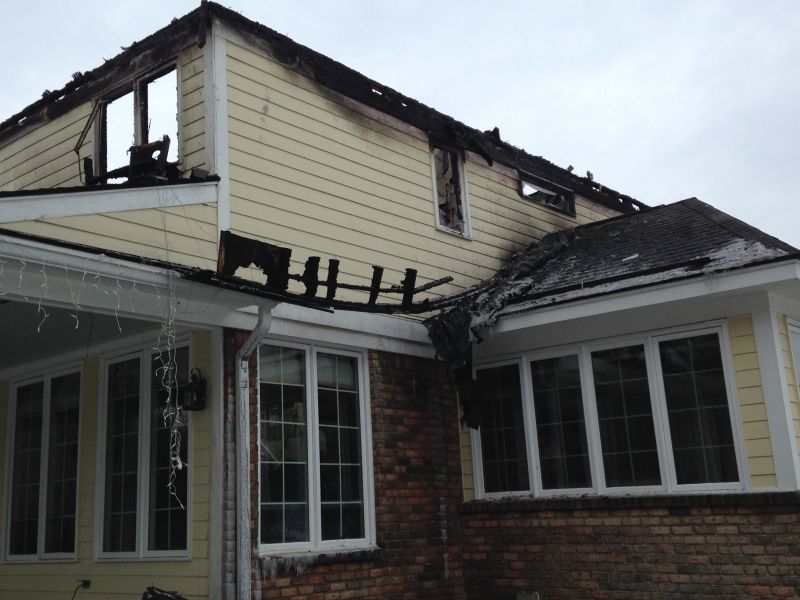
Supporting documentation and claims process after storm damage.
| Storm Season Months | Optimal Restoration Periods |
|---|---|
| Late Summer | Pre-storm preparations and early repairs |
| Early Fall | Post-storm assessments and repairs |
| Winter | Off-season repairs and structural reinforcement |
| Spring | Preparation for upcoming storm seasons |
| Summer | Active storm season, focus on immediate damage response |
Timing restoration efforts appropriately can significantly influence the effectiveness and cost-efficiency of repairs. Engaging in restoration during off-peak months allows for better scheduling, resource availability, and potentially lower costs. Proactive planning and assessment are essential components of effective storm damage management.
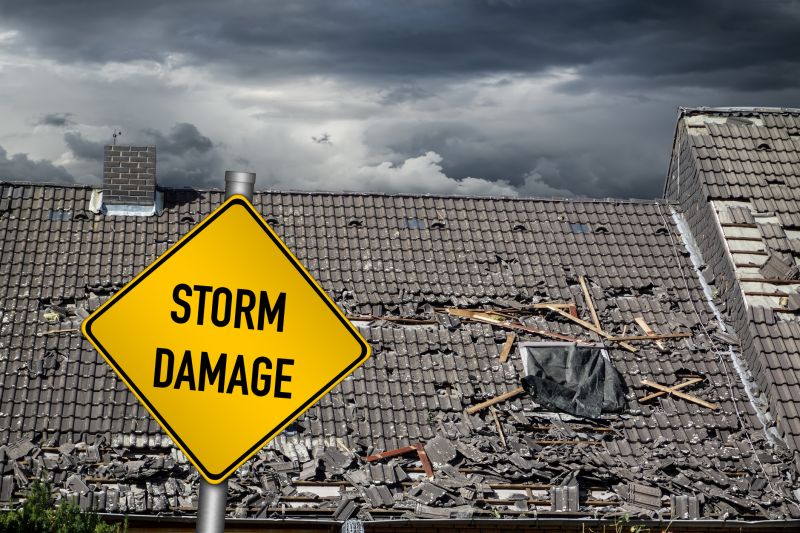
Thorough inspection after storms to evaluate damage severity.
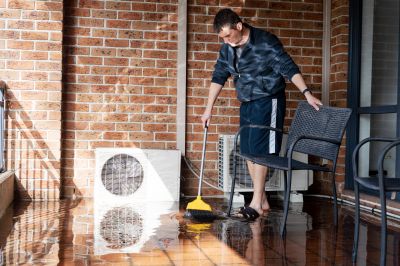
Immediate fixes to prevent further damage and secure properties.
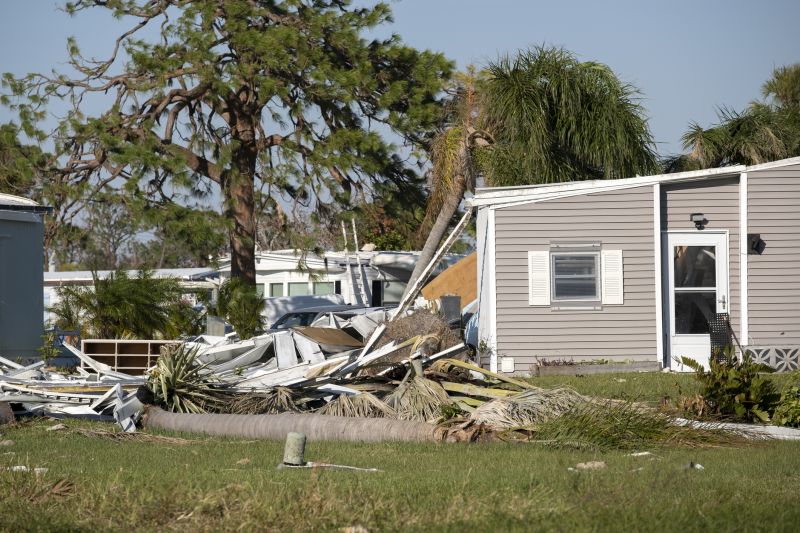
Rebuilding and reinforcing structures affected by storms.
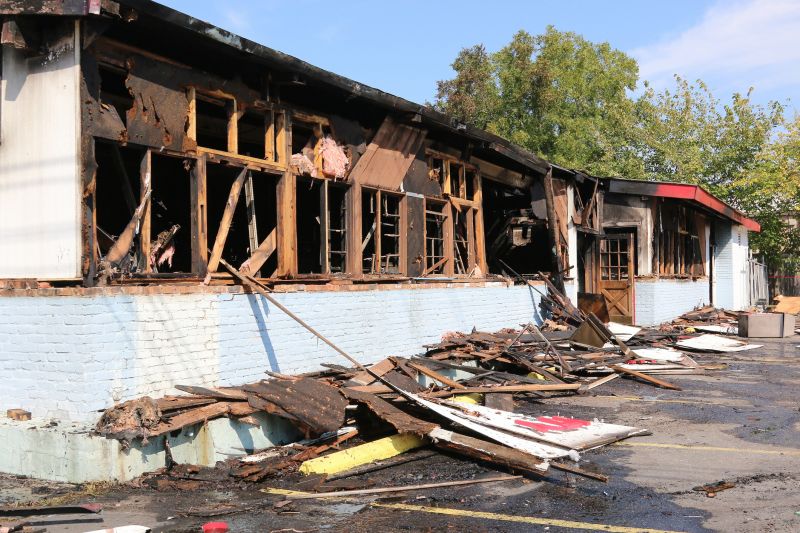
Complete repairs to restore properties to pre-storm condition.
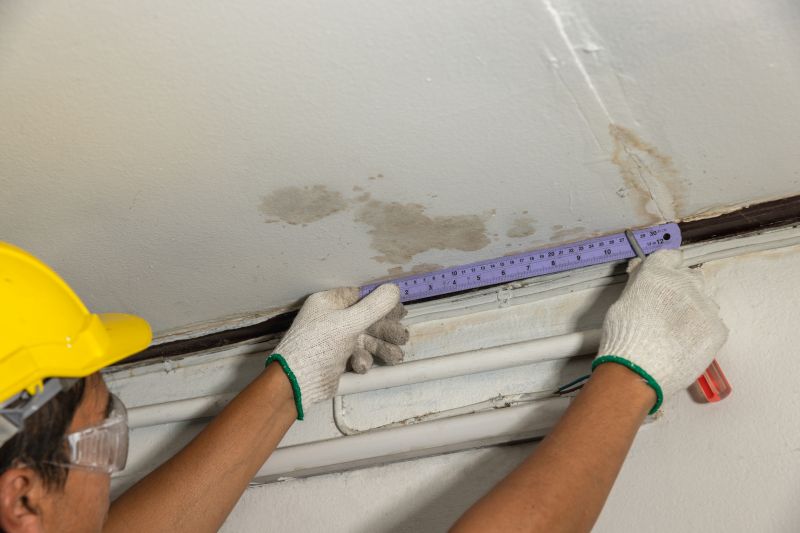
Little measurements that prevent headaches on Storm Restorations day.
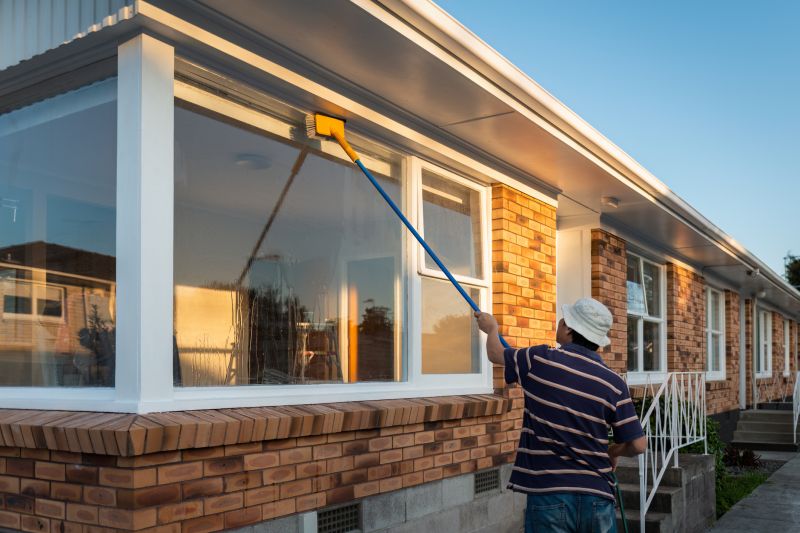
A 60-second routine that keeps Storm Restorations looking new.

A frequent mistake in Storm Restorations and how to dodge it.

Small tweaks to make Storm Restorations safer and easier to use.
Interested property owners in Owings Mills, MD, are encouraged to contact for more information about storm restoration services. Proper timing and preparation can help minimize damage and ensure quick recovery following severe weather events.